
Fashion in 2026 is having a confident, self-aware moment. We’re looking back just enough to borrow what worked, while pushing forward with bolder styling, smarter choices and a much braver approach to what we own.
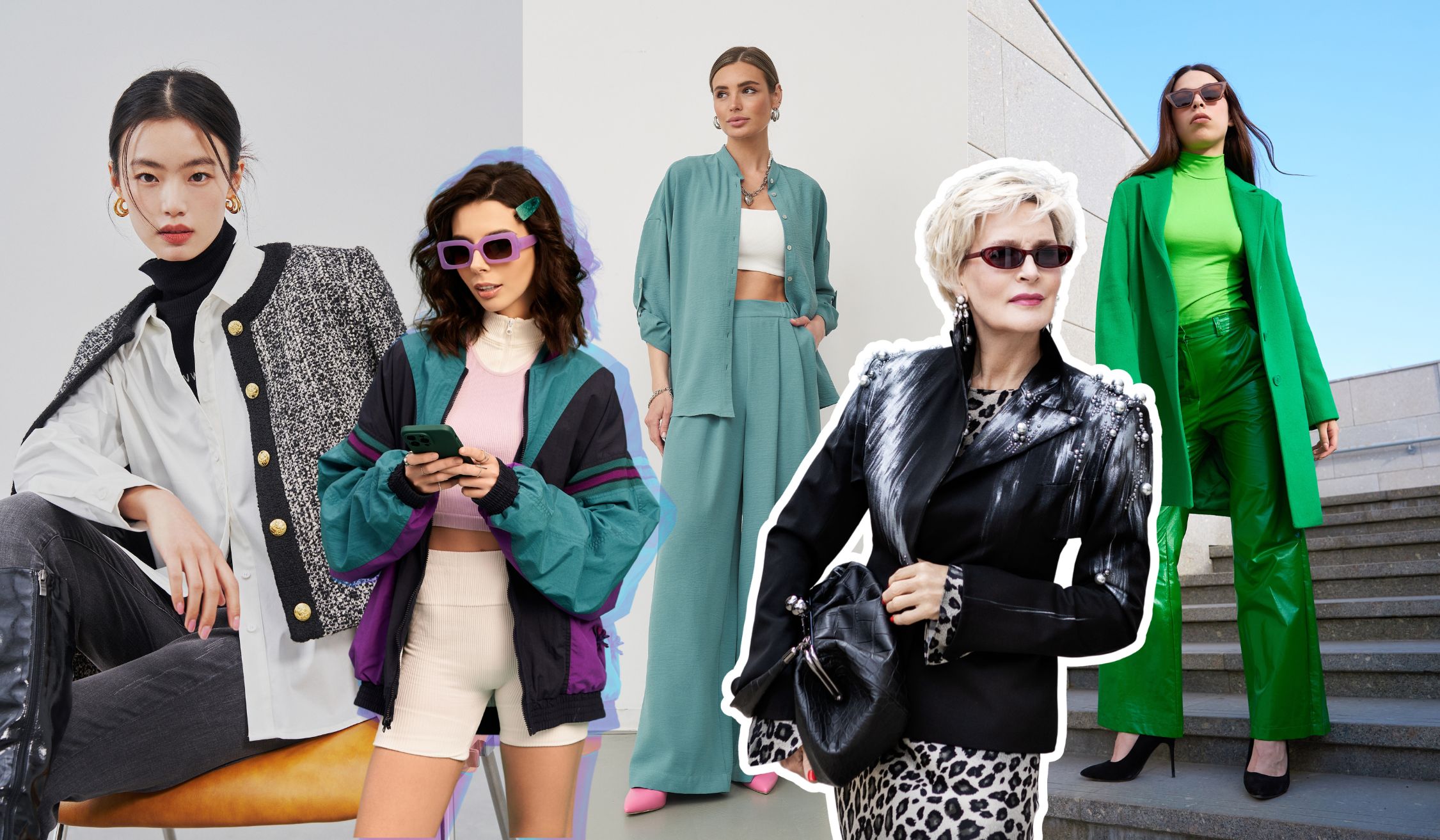
© Zhaowen / Dmitry_Tsvetkov / Anna Zhukkova / LightField Studios / MaxFrost / Shutterstock.com
This year isn’t about buying more for the sake of it, but about curating a wardrobe that works harder, feels more personal and is easier to manage. For anyone wondering what are the latest fashion trends and how to blend them seamlessly into real life, 2026 is refreshingly practical.
What fashion looks like in 2026
The defining theme is expressive confidence. After years of pared back minimalism and neutral palettes, colour is back in a big way. Expect saturated jewel tones, transformative teal, rich reds and high-impact metallics sitting alongside softer pastels used as accents. This balance makes outfits feel playful but wearable, and bold without being overwhelming.
Patterns are also enjoying a revival. Abstract prints, bright florals and statement stripes are everywhere, often layered together in ways that feel intentional, rather than chaotic. This is where the influence of nostalgia comes in. Designers are dipping into past decades, especially the late 70s and 80s, but with restraint. If you’re wondering, “What is 80s fashion?” in a modern context, think strong shoulders, power tailoring and a touch of glamour, reworked with softer fabrics and more relaxed silhouettes.
Proportions are being played, with oversized blazers paired with slim knits, fluid skirts balanced by structured outerwear and relaxed denim styled with elegant accessories. There are no rigid rules, just thoughtful contrasts.
Nostalgia, but make it modern
One of the most interesting aspects of today’s style is how comfortably it borrows from the past. We’ve seen a resurgence of pieces that dominated wardrobes a decade ago, from skinny jeans to ankle boots and ballet flats. The difference now is how they’re styled. Instead of head-to-toe throwbacks, these items are used as anchors for contemporary outfits.
This approach to nostalgia is why the revival feels fresh. A pair of slim black jeans might be paired with an oversized blazer and chunky jewellery. A bomber jacket throws back to its 2016 heyday, but comes in refined leather or muted satin. Even millennial pink has returned, but as a subtle highlight, rather than the main event.
For fashion conscious readers, this means your wardrobe might already contain future-proof pieces. The trick lies in recognising which items still align with your personal style and which are ready to be replaced.
Creating a wardrobe that reflects you
Instead of chasing every look, the focus is on building a wardrobe that reflects individuality. Start by identifying the pieces you reach for most often. These are usually items that fit your lifestyle, flatter your shape and feel like “you”.
When adding new trend-led pieces, think about how they’ll integrate with what you already own. A statement blazer in a bold colour, for example, should work with multiple outfits, instead of being unworn again after one occasion. This mindset not only saves money, but also keeps your wardrobe manageable.
Understanding how to organise clothes plays a huge role in this process. When your wardrobe is cluttered and overfilled, it’s hard to see what you have, and even harder to appreciate it. Regular clear outs help you to spot gaps, rediscover forgotten favourites and make more intentional choices when shopping.
Where can I buy plastic storage boxes?
As trends evolve through the year, seasonal rotation becomes essential. Knowing how to store out of season clothing can transform the way your wardrobe functions. Heavy knits, coats and boots don’t need to compete for space with summer dresses and lightweight tailoring.
Clear plastic storage is particularly useful because it allows you to see what you own without rummaging, reducing the likelihood of duplicate purchases. Delicate garments benefit from being stored clean, dry and protected, especially when they may not be worn for weeks at a time.
Choosing simple, stackable designs from Solent Plastics that fit seamlessly into wardrobes, under beds or on shelving could be the answer to your dilemma. Good storage doesn’t just preserve clothing - it reduces decision fatigue and makes daily dressing easier.
Making space through resale and donation
A wardrobe refresh isn’t only about adding new pieces. In fact, it often starts with letting go. Selling clothing on platforms such as Vinted or eBay has become second nature for many fashion lovers. Not only does this extend the life cycle of garments, but it also funds future purchases and keeps wardrobes from becoming overcrowded.
Pieces that no longer suit your style, but are still in good condition, can also be donated to charity. This approach aligns with a growing awareness of sustainability in fashion. By moving clothing on, rather than throwing it away, you’re contributing to a more circular fashion economy while creating space for items that genuinely excite you.
This process works best when paired with good organisation. Once items are removed, storage becomes more efficient, and what remains feels more important. It’s easier to see your wardrobe as a carefully chosen collection instead of a chaotic mix of past trends.
A wardrobe that works for 2026 and beyond
Fashion is about expressing personality and making thoughtful choices. While trends can suit a wide range of aesthetics, from maximalist glamour to relaxed modern classic, the real shift lies in how we manage what we own.
By understanding the latest fashion trends and pairing knowledge with practical organisation, you can build a wardrobe that feels exciting, rather than overwhelming. A wardrobe refresh doesn’t have to mean a complete overhaul; sometimes, it’s about seeing what you already have in a new light.