
There’s a certain excitement that comes with planning a camping trip. Whether it’s a quiet weekend in the countryside, a family getaway, or a longer adventure off the beaten track, the anticipation builds as you start thinking about what to bring.
The industry has seen a massive increase in popularity, with millions of nights spent in tents, caravans and motorhomes. In fact, recent data suggests more than 10 million Brits take camping trips at least once a year.
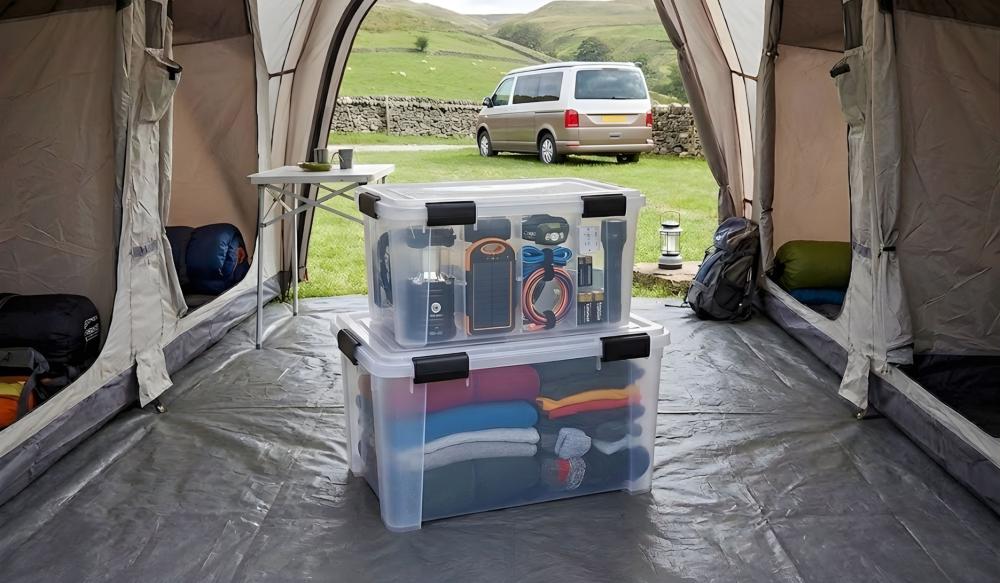
The reality: camping in the UK rarely sticks to a script, so having a well-prepared camping checklist can mean the difference between a relaxing escape and a frustrating experience.
Dressing for unpredictable weather
If there’s one thing seasoned campers know, it’s that British weather doesn’t cooperate. You might start your day in warm sunshine and end it wrapped up against a chilly wind or light rain. Packing with flexibility in mind is essential.
Layering is the simplest and most effective approach, keeping you warm by trapping warm air between multiple garments to allow for quick temperature regulation. By using a three layer system, comprising a moisture wicking base, insulating the middle and protective shell, you can manage body moisture, retain heat and block wind and rain. Lightweight, breathable clothing works well during the day, while warmer layers such as fleeces or hoodies help you stay comfortable as temperatures drop. A waterproof jacket or poncho can turn a wet afternoon from being a problem into a minor inconvenience.
Footwear plays a huge role in overall comfort. Campsites can be uneven, muddy or damp. Sturdy, comfortable shoes with good grip, such as waterproof boots or durable trainers, offer the best balance between support and practicality.
Packing everything into a secure, waterproof container is a simple way to approach camping storage, helping protect against damp conditions, mud and unexpected showers. It also makes it easier to keep your kit organised throughout your trip.
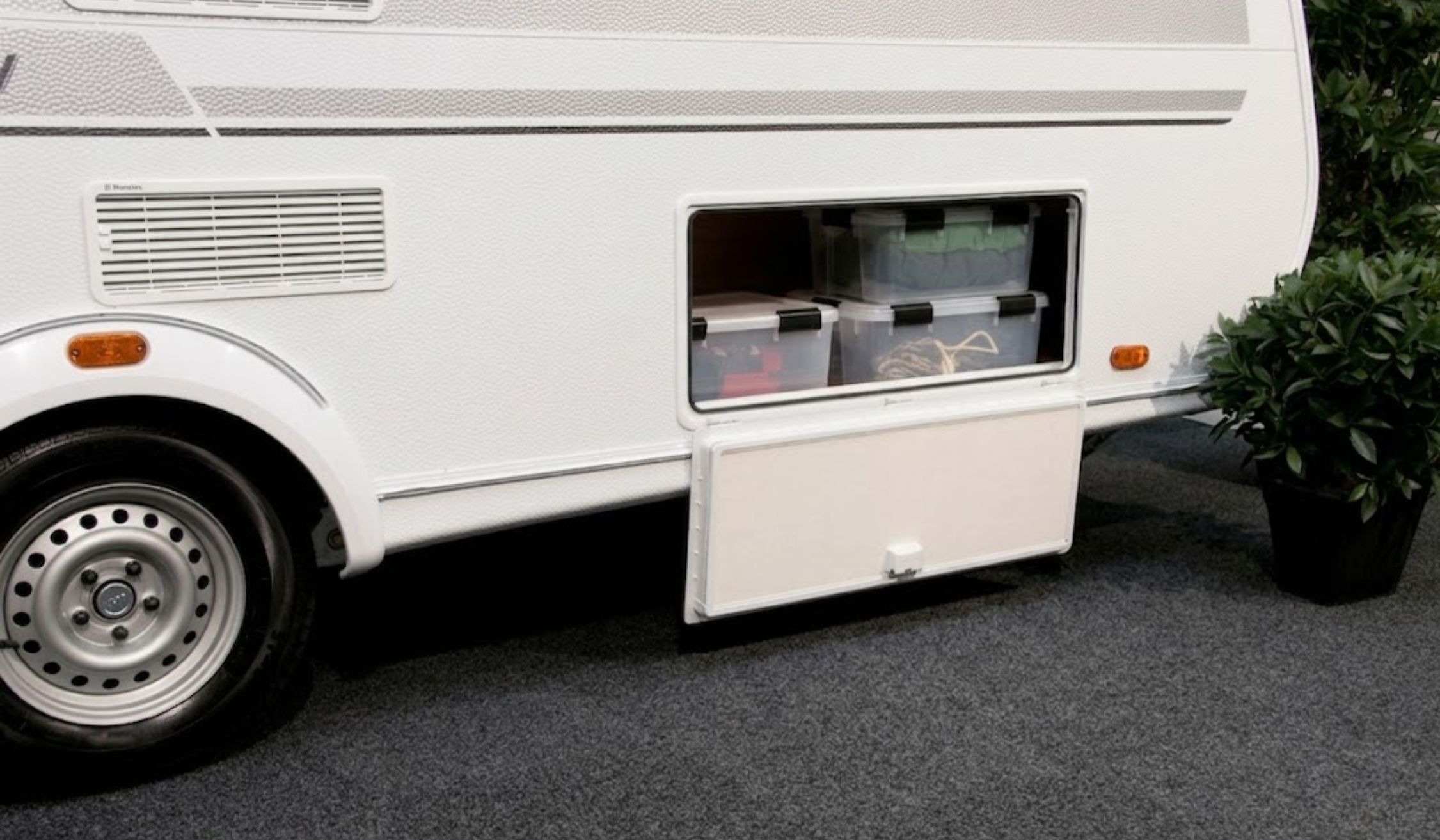
© Solent Plastics
Creating a comfortable setup
A good night’s sleep can completely shape your experience. While the outdoors has its charm, sleeping directly on uneven or cold ground can quickly take its toll if you’re not prepared.
Look for a tent with strong waterproofing and enough space to comfortably store your belongings. Having a little extra room can make a big difference, especially if you need to wait out bad weather.
A quality sleeping bag suited to UK conditions is essential, as temperatures can drop significantly overnight, even in summer. Adding a sleeping mat or inflatable mattress creates a barrier between you and the ground.
Food, drink and keeping things simple
While some campsites are close to local shops, being prepared with your own food offers flexibility and convenience. Simple, non-perishable foods are the easiest option. Items that don’t require refrigeration and can be prepared quickly, so you spend less time worrying about meals and more time enjoying your surroundings. Snacks are useful for keeping energy levels up during walks or activities.
Power, lighting and staying prepared
One of the appeals of camping is the chance to disconnect, but most people still rely on a few essential devices. Whether it’s for navigation, safety or simply capturing moments, having access to power can be very useful. Portable chargers are a practical addition to any packing list. They allow you to keep devices topped up without needing access to mains electricity, which isn’t always available on campsites.
Lighting is equally important. Campsites can become very dark once the sun goes down, and having a reliable torch or lantern makes moving around safer. It also adds a level of comfort on your pitch, making it easier to find what you need after dark.
For added peace of mind, storing valuable or sensitive items in waterproof protective cases can help shield them from rain and accidental damage.
Personal hygiene and staying comfortable outdoors
Camping comes with a few compromises when it comes to hygiene, but a little preparation can help you stay fresh throughout your trip.
Basic toiletries, hand sanitiser and wet wipes are simple but effective essentials. They allow you to maintain a level of cleanliness even when facilities are limited or busy. It’s less about replicating your routine at home and more about staying comfortable enough to enjoy your holiday.
Sun protection is another important consideration. Even in cooler weather, prolonged time outside can lead to sunburn. Applying sunscreen regularly and staying hydrated can make a noticeable difference.
Keeping your gear organised and protected
One of the most common challenges is staying organised once you’ve unpacked. It doesn’t take long for gear to become scattered, especially in smaller spaces or during bad weather.
Separating clean and dirty clothing, keeping frequently used items within reach and protecting your belongings from the elements all help maintain order.
It’s often the unexpected moments that test your preparation. Damp clothing, misplaced essentials or sudden weather changes can quickly become frustrating if you’re not ready for them. Packing a few extra basics, such as socks or t-shirts, can make a big difference without adding too much bulk.
At its core, camping is about enjoying time outdoors, whether that means exploring new places, relaxing in nature or spending time with friends and family. Packing well doesn’t mean bringing everything you own; it’s about striking the right balance between preparation and practicality.