
When autumn arrives, a shed can become more attractive to pests. What may have been an unnoticed gap or forgotten box during summer can become more significant as the seasons change, particularly when stored belongings are left undisturbed for several months. Even a shed that appears secure at first glance can offer rodents opportunities to get inside and settle unnoticed.
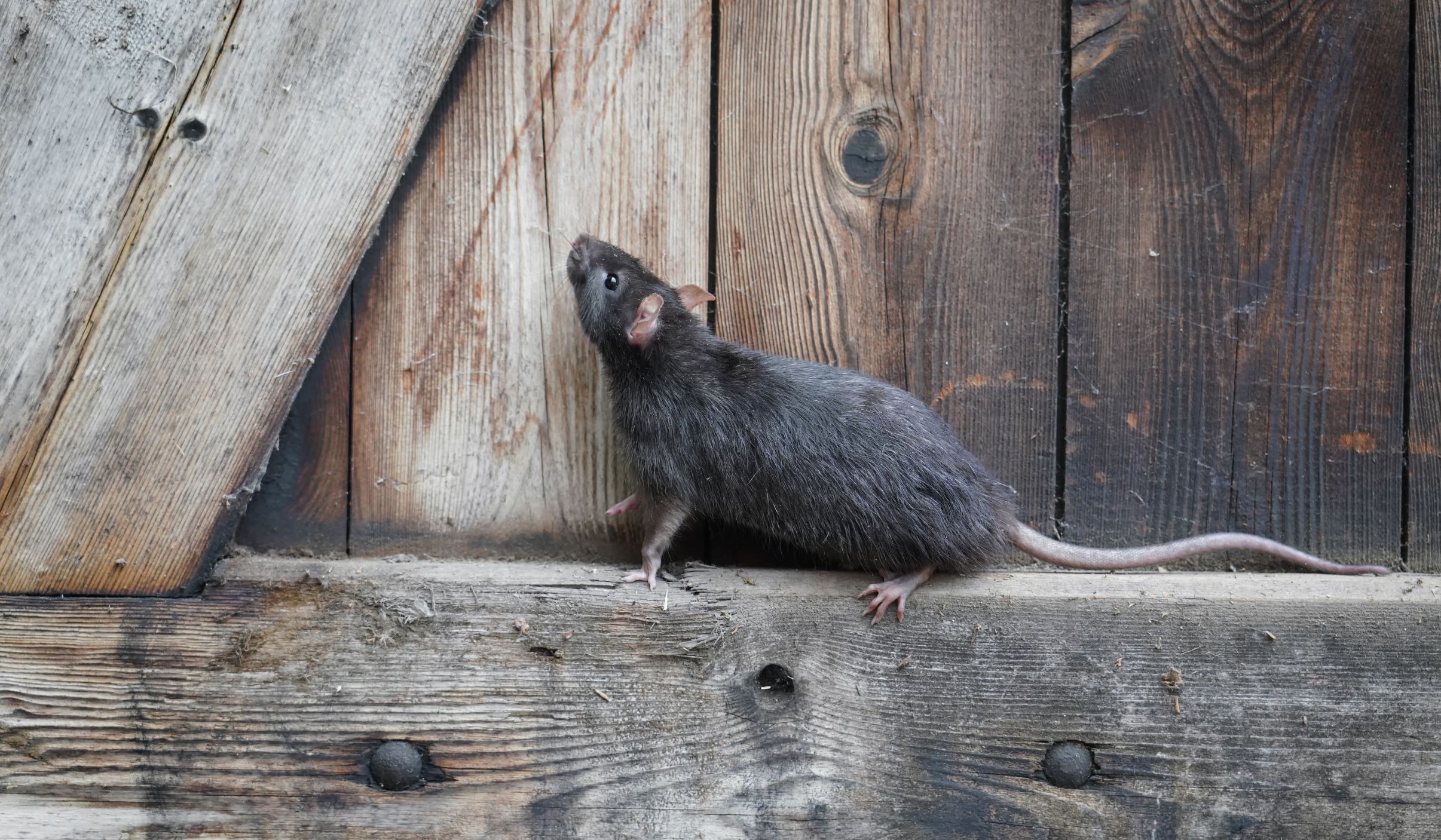
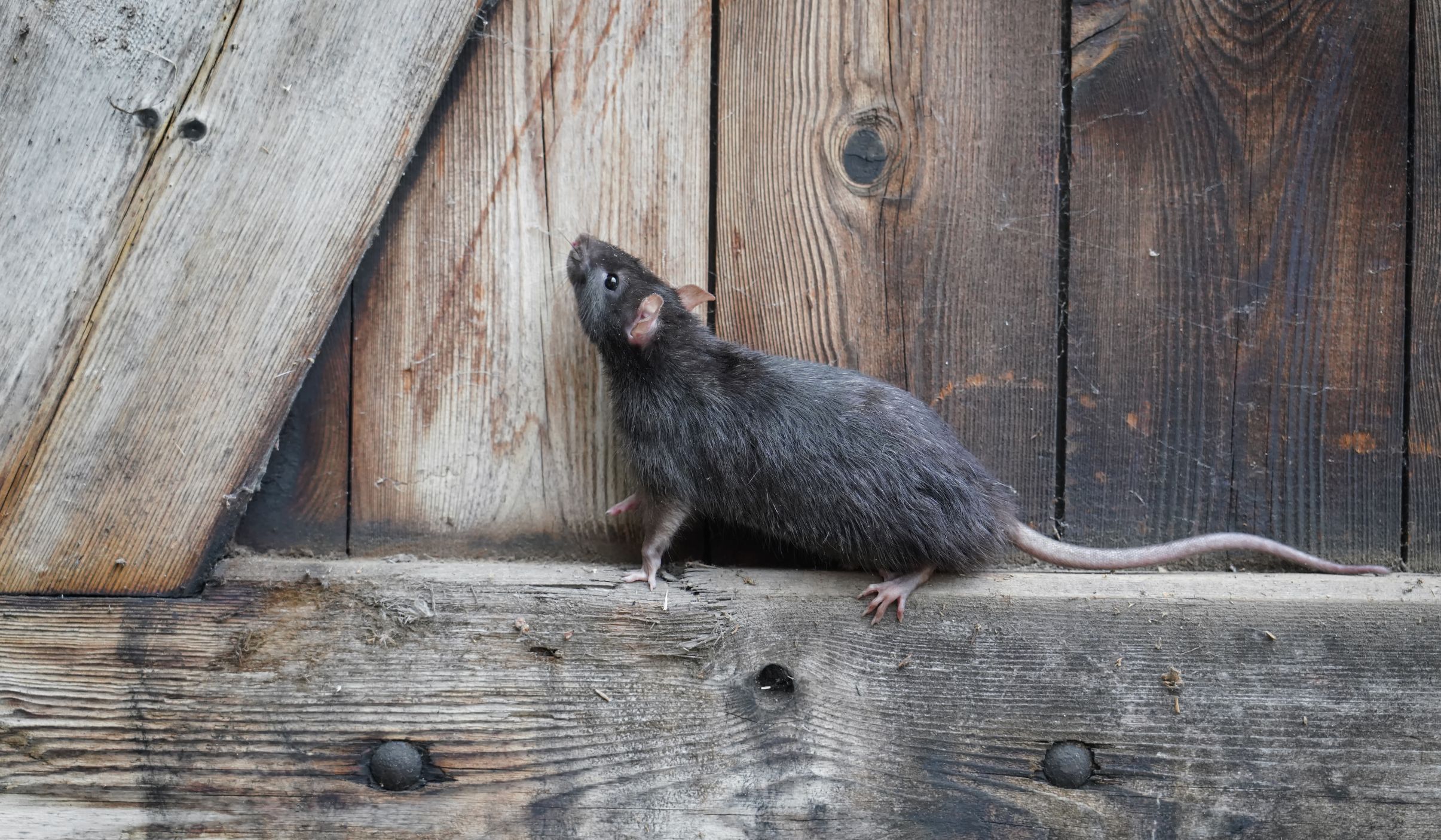
© Holger Kirk / Shutterstock.com
Why autumn and winter changes rodent behaviour
Rats are particularly influenced by seasonal conditions. Government information indicates they may be more likely to seek out buildings or sheds during the colder months, particularly where food and suitable nesting conditions are available.
Mice differ in that they can occupy sheds and garages throughout the year. Their small size allows them to enter very narrow gaps, meaning they can remain unnoticed even when a building appears secure.
Both rats and mice can take advantage of sheltered outbuildings. Rats can reproduce rapidly, with females capable of producing several litters in a year. As temperatures fall, sheds and other outbuildings can provide a consistent environment for nesting and raising young.
What does a rodent seek from a shed?
Bird seed, pet food and animal feed can attract rodents, particularly where bags are torn or food has been spilled. Keeping these items in sealed storage containers can help prevent access and keep contents clean. In sheds where rabbits or other animals are kept, keeping hay and bedding contained can also reduce the materials available to rodents.
Cardboard packaging, old blankets and piles of paper can also provide useful nesting material; keeping these items organised and off the floor can make them less accessible to rodents.
Seasonal items such as Christmas decorations, garden cushions, gardening clothing and fabric covers may remain in the shed for much of the year. Grouping these items together can make them easier to access when needed and reduce the need to move other belongings around the shed.
Where are rodents likely to get in and what signs should you look for?
Check the gap beneath and around the shed door, particularly if the timber has warped or deteriorated. Look at the corners, joints, window frames and damaged panels, as well as holes where pipes, cables or other services enter the building. Don’t forget the roofline, including the edges where the roof meets the walls.
Mice can get through very small openings, while rats need more room but can also burrow beneath sheds or decking. Look for signs of rat burrows around the base of the shed and check less accessible areas for droppings, particularly behind larger items and along the edges of the floor.
Rats may follow established routes between food sources, shelter and nearby buildings. Dense plant growth against walls can conceal holes, while stacked timber and stored garden furniture can create sheltered areas close to the shed. Keeping these areas reasonably clear makes potential entry points easier to spot and reduces places where rodents can remain undisturbed.
Gnaw marks on wooden floor supports, base frames, doors and shelving can indicate that rats or mice have been active. Damage to electrical cables can also pose a fire risk, so check power tool leads and extension cables where they are stored. Identifying these signs early can help you address rodent activity before more extensive damage occurs.
How can storage help prevent damage?
Garden equipment may sit unused throughout winter, meaning damage can go unnoticed until spring. Keeping frequently used items organised and raised from the floor can make the shed easier to inspect and help you notice changes sooner. For larger or regularly used items, garden shed storage solutions can provide a suitable place to keep equipment between uses.
Choosing the right container as part of a pest proof storage approach can help protect belongings from damage if rodents do get inside. Secure-fitting lids can provide an additional layer of protection for items that need to remain in the shed for longer periods.
Consider the size and weight of the items being stored as well as how frequently they will be accessed. Could stackable storage boxes help make better use of available space?
When bad weather leaves your shed vulnerable
Continuous rain, strong winds and storms can put extra pressure on a shed, particularly where roofing, panels, doors or seals are already starting to deteriorate. Water entering through damaged areas can lead to persistent dampness, which may weaken timber and joints over time, creating gaps that rodents could exploit to gain access.
Good ventilation helps moisture escape rather than allowing it to accumulate, reducing the risk of damp-related damage. After periods of severe weather, check the shed carefully, paying particular attention to areas where different parts of the structure meet. Addressing problems early can help keep the shed secure and reduce opportunities for rodents to get inside.