
As temperatures drop in the UK, providing birds with a reliable source of food and water is particularly important. Winter brings shorter days, colder nights and fewer opportunities for them to find insects, seeds, berries and the other natural foods they need.
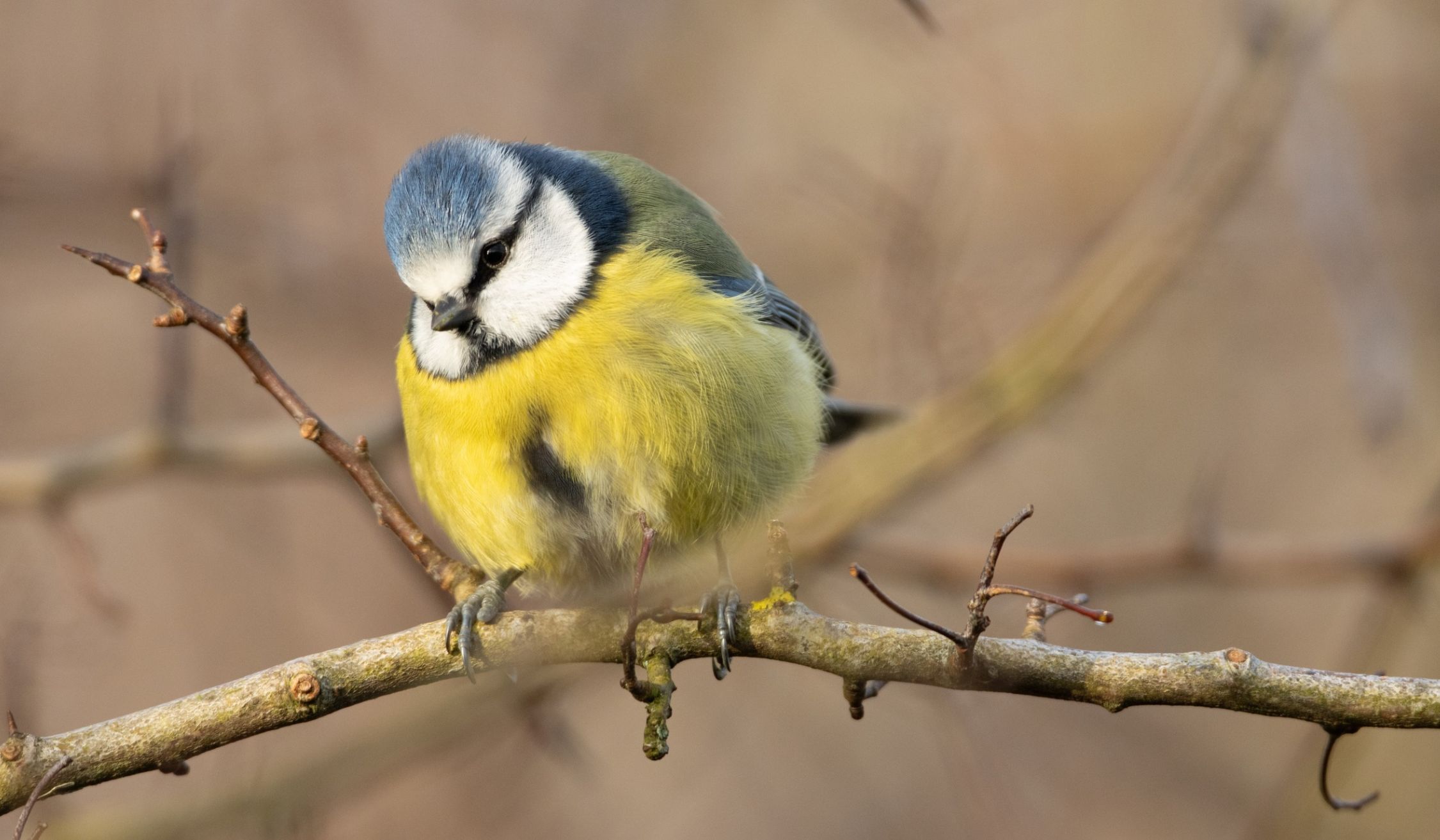
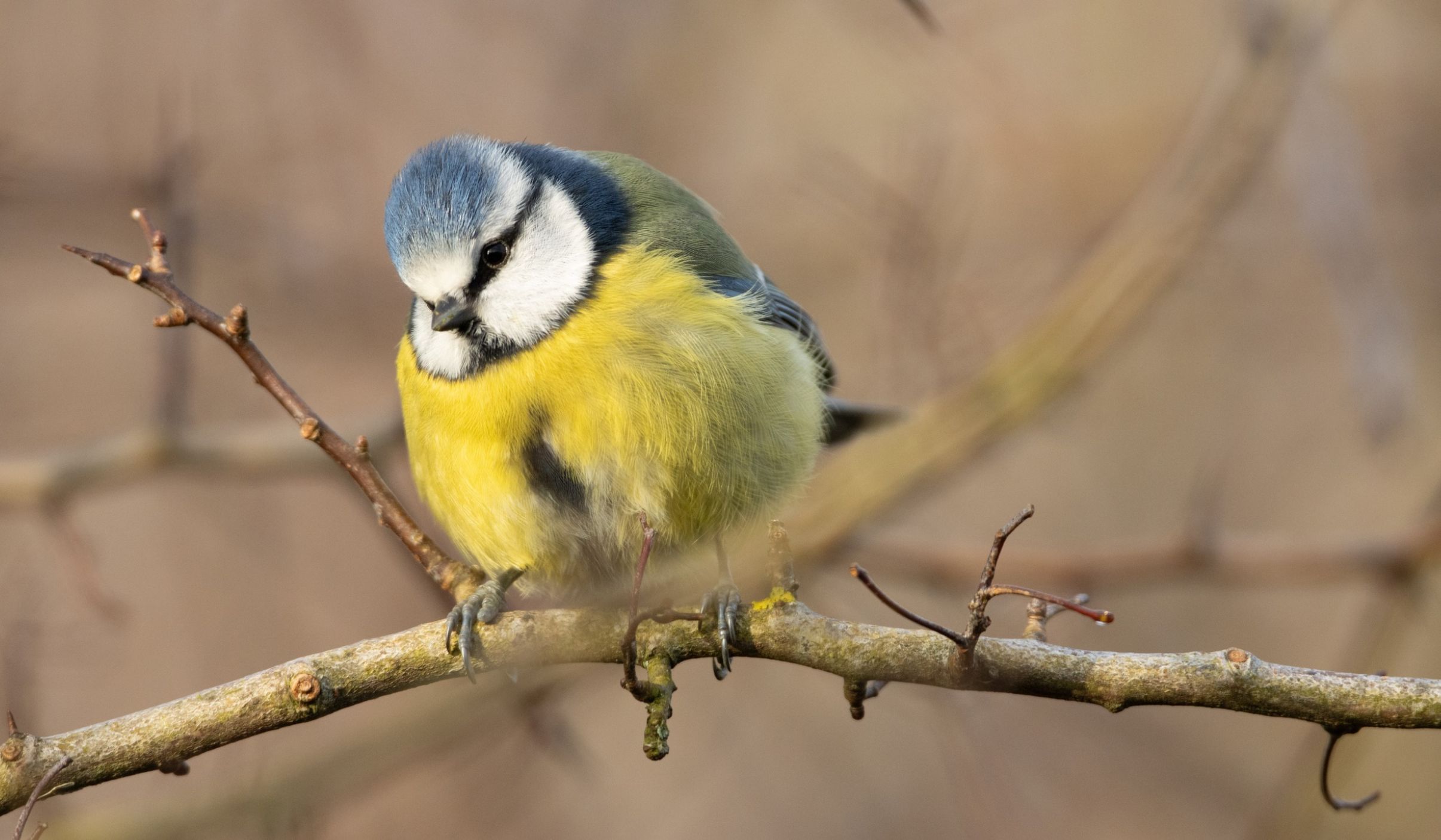
© Colin Ward / Shutterstock.com
For small birds such as robins, blue tits and wrens, simply keeping warm takes considerable energy. Unlike mammals that can carry substantial reserves of body fat, birds need to remain light enough to fly and escape predators. This means regularly replacing the energy they use, especially when daylight hours give them less time to forage.
Providing suitable food, fresh water and clean feeding areas can help garden birds through the tougher months, when natural resources may be harder to find.
Why helping garden birds matters
The latest Defra statistics show the UK Breeding Bird Indicator, covering 132 species, decreased by 19% between 1970 and 2025. Some 46% of monitored species have declined over the long term, with the farmland bird population experiencing a dramatic 63% drop since 1970.
Since the beginning of the 70s, the British Trust for Ornithology estimates Britain has around 72 million fewer wild birds. Swifts provide a striking example of the pressures facing wildlife: recent figures indicate a fall of around 25% over a five-year period, while monitoring shows a much larger 70% decline since 1995.
There’s no single explanation. Changes in farming practices and pesticide use, loss of hedgerows and nesting places, habitat degradation, climate change and diseases such as avian flu and trichomonosis all play a part in the challenges faced by different species.
Should you feed birds in winter?
It’s an important time to provide supplementary food for garden birds, when colder conditions and shorter daylight hours can make natural food harder to find. However, feeding practices should also take account of the risk of disease transmission.
The RSPB recommends pausing the feeding of seeds and peanuts between 1st May and 31st October to help reduce the spread of trichomonosis, a disease that particularly affects finches. From 1st November, these foods can be offered again, alongside other suitable supplementary foods. Mealworms and suet can be provided in small quantities throughout the year.
Consistency is useful when feeding winter birds, as they can learn where food is available. Storing supplies correctly helps protect bird food from moisture and pests, keeping it in good condition between feeds. Provide quantities that reflect demand to minimise waste.
What to feed birds in the winter
Variety is more useful than simply putting out a large quantity of one food. Different birds have different feeding habits, beak shapes and nutritional needs. A good-quality seed mix can attract several common garden species. Sunflower hearts are a particularly energy-rich choice enjoyed by tits, house sparrows and finches. Peanuts should be unsalted, fresh and offered from an appropriate mesh feeder, rather than supplied loose. Mealworms provide protein and are popular with insect eating species. Fruit is preferred by blackbirds and thrushes. High energy suet is another valuable food for garden birds during colder weather in blocks or fat balls, as they contain concentrated energy and plenty of calories.
Avoid salty foods, including ordinary peanut butter intended for people. Products specifically formulated for wild birds are a safer option.
Keep bird food fresh and dry
Good bird food storage is an easily overlooked part of winter feeding. Buying seed in larger quantities can be economical, but only if it stays in good condition.
Store feed somewhere cool and dry in an appropriately sized, clean container that closes securely. A sturdy plastic storage box with lid is a practical option for keeping bags of seed together and protecting them from moisture and pests, particularly in a garage, shed or utility area.
The same principle applies to suet, peanuts and mealworms. Follow the manufacturer's storage instructions and check food before filling feeders, discarding anything that has become damp, stale or mouldy. Keep opened bags securely stored to help prevent contamination and discourage rodents.
Put bird feeders somewhere safe
Choose a location where birds have a good view of their surroundings, so they can spot approaching cats, sparrowhawks and other potential threats. Nearby shrubs or trees can provide useful escape cover but avoid positioning feeders so close to dense vegetation that a cat can hide immediately beside them.
Try not to position feeders directly beneath places where birds regularly roost, as droppings can contaminate feeding areas. Using several feeding stations and moving them regularly can also help reduce the build-up of debris and droppings in one spot.
Where possible, choose feeders that are easy to dismantle and clean, rather than flat-surfaced designs where contaminated food and droppings can accumulate.
Fresh water matters in cold weather
When feeding the birds in winter, water requires as much attention as food. Birds need it for drinking and bathing, as natural supplies can become difficult to access when ponds and puddles freeze. Provide a shallow container of fresh water and check it during freezing weather. Replace the water daily and clean the container regularly. If it freezes, use warm water to melt the ice, never salt or chemicals, which can harm birds.
Clean feeders at least weekly using dedicated equipment, hot soapy water and an appropriate bird-safe disinfectant, following the product instructions. Rinse thoroughly and allow them to dry before refilling. Remove old food and droppings, including debris beneath feeding stations, and wash equipment outside where possible. Wear gloves when cleaning and wash your hands afterwards.
If you notice sick birds visiting your feeders, stop feeding temporarily, clean the equipment thoroughly and follow current wildlife health guidance before resuming.
Let the garden provide natural food
Plants can do a surprising amount of the feeding work for you. Sunflowers and teasels provide seeds, while ivy and berry-producing shrubs offer food and shelter even in winter. A garden that supports insects creates natural feeding opportunities for birds. Leave some seed heads standing, rather than cutting everything back in autumn, as this can turn an apparently untidy corner into a useful winter-feeding ground.
Every garden can make a difference to local wildlife. Even small, thoughtful actions can help birds thrive, and you can enjoy the satisfaction of knowing you’re making a positive contribution to nature.