
Plastic plays an important role in modern business, from storage and handling to transport and manufacturing. The environmental challenge is therefore not simply about avoiding plastic, but about using it more responsibly. This means considering how plastic products are made, how long they last, whether they can be reused or recycled, and what happens when they reach the end of their useful life.
© Solent Plastics
The scale of the plastic problem
Global plastic production helps put the need for responsible use into perspective. The United Nations Environment Programme estimates that more than 430 million tonnes of plastic are produced globally each year, with around two-thirds made up of products that are relatively short-lived and quickly become waste.
The OECD estimates that around 6.1 million tonnes of plastic waste leaks into rivers, lakes and the ocean each year. Once in the environment, it can be difficult to recover and may break down into smaller particles, contributing to microplastic pollution.
Plastic production also has an environmental impact
The environmental footprint of plastic starts well before a product reaches the end of its life. Most new plastic is made using fossil fuel feedstocks, with extraction, processing and manufacturing requiring energy and generating greenhouse gas emissions.
The OECD estimates that the global plastics lifecycle generates around 1.8 billion tonnes of greenhouse gas emissions each year, with around 90% linked to the production and conversion of plastics from fossil fuel feedstocks. This means the environmental impact needs to be considered across its lifecycle, not just when a product becomes waste.
Why durability and reuse matter
Recyclability is important, but it is only one part of responsible use. A durable product that can remain in service for years may avoid the need for repeated replacements, particularly when it can be reused across different applications.
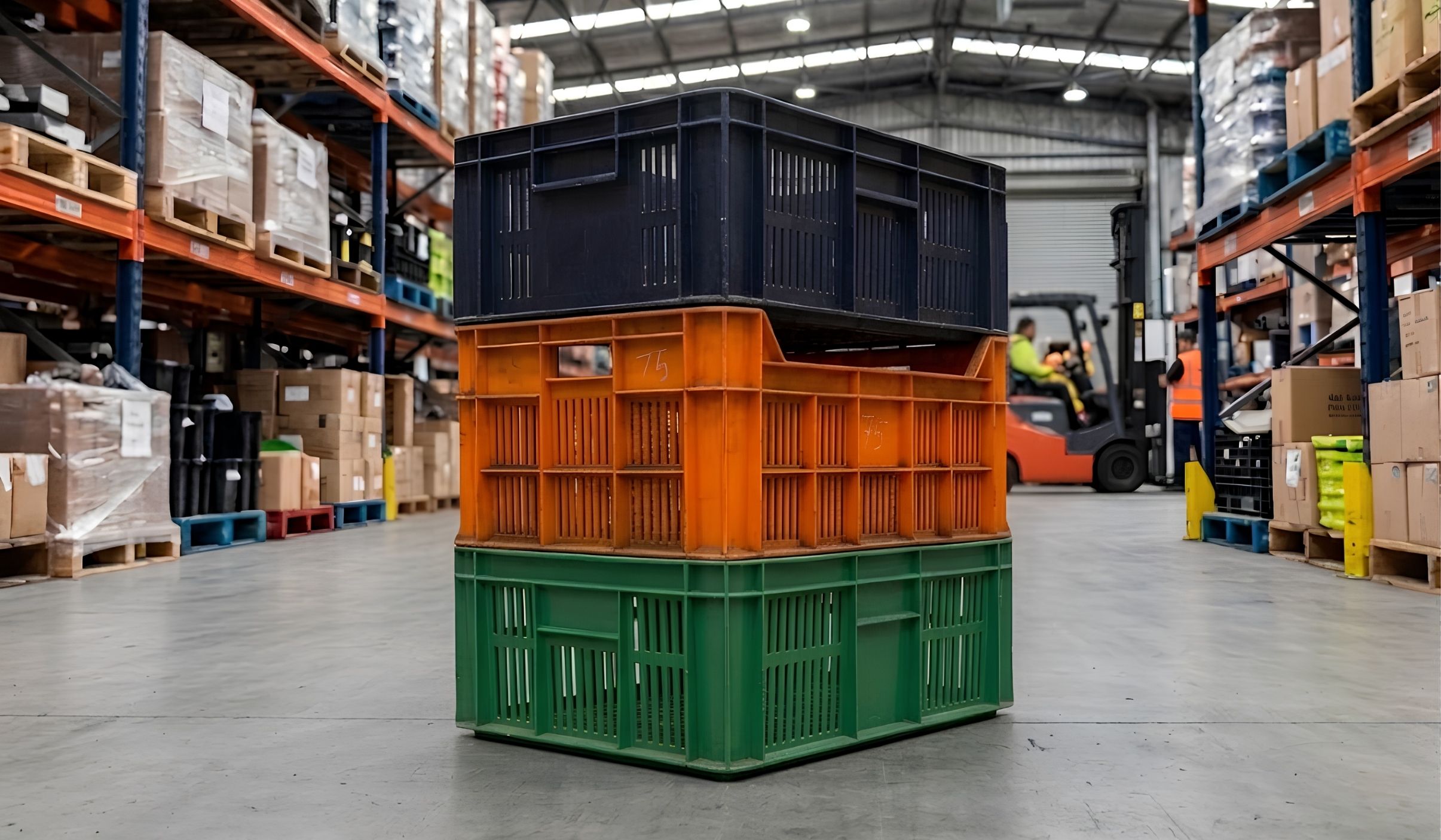
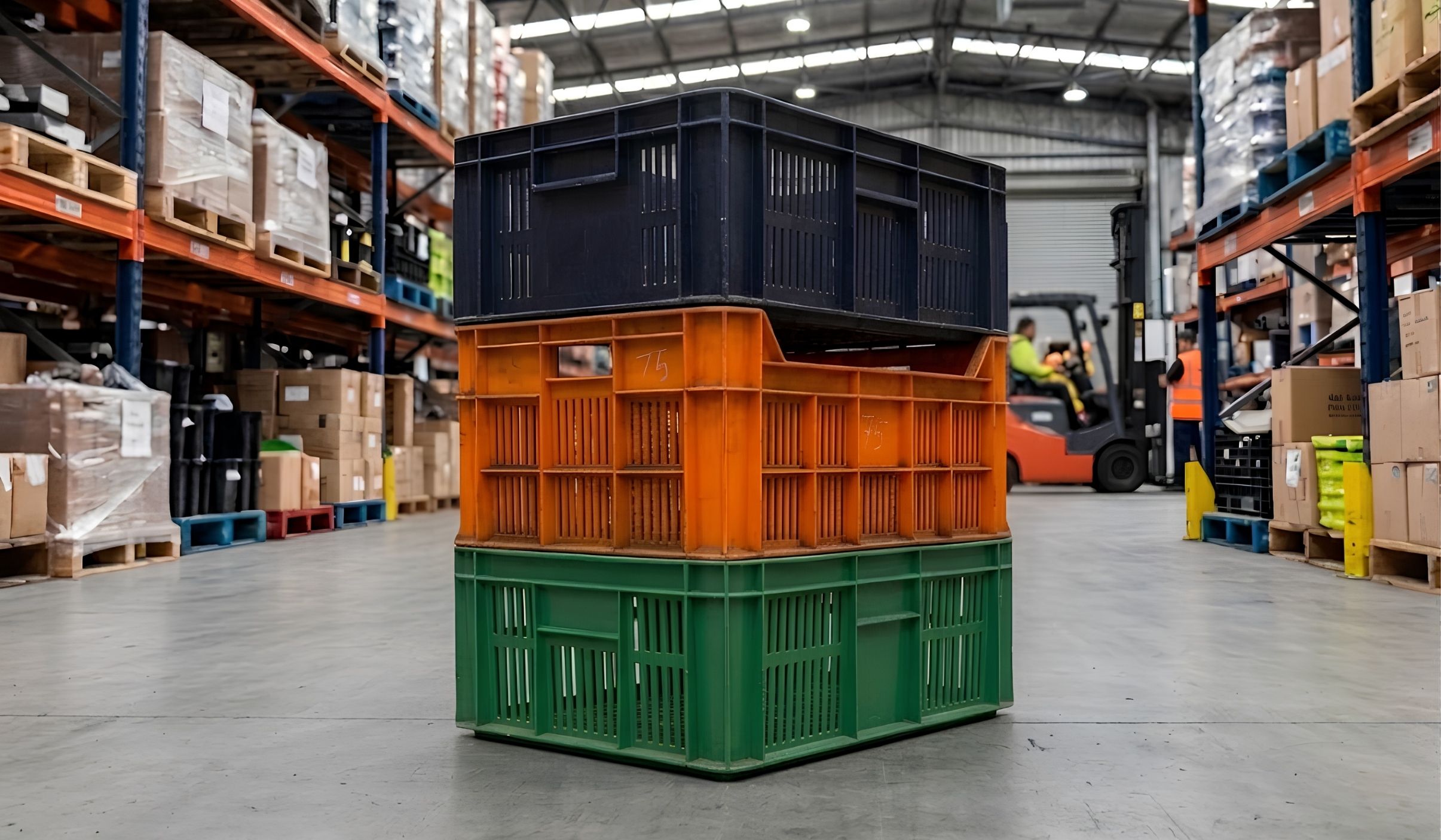
In warehouses, logistics and manufacturing environments, for example, a robust storage box can be used repeatedly to move, store and organise goods rather than being treated as disposable packaging.
When choosing plastic products, businesses should therefore consider how frequently they will be used, how long they are likely to remain serviceable and whether they can be reused, repaired or recycled afterwards.
Where recycled plastic fits in
Using recycled plastic can reduce the need for newly produced, or virgin, plastic materials. However, recycling depends on products being collected, sorted and processed effectively, with recycled materials then used to make new products.
The European Environment Agency highlights increasing the use of recycled materials as an important part of improving plastic circularity. For businesses, this means considering both the recycled content of a product and what can happen to it at the end of its working life, as well as the wider environmental responsibilities of suppliers.
Why recycled/used plastic storage boxes make sense
For businesses that rely heavily on storage containers, recycled plastic storage boxes can be one practical example of more responsible material use.
Solent Plastics supplies storage boxes manufactured from recycled polypropylene and HDPE, with options for warehousing, logistics, retail, e-commerce, manufacturing and engineering applications.
Used plastic boxes, crates and containers can also give products that have already been used an opportunity to serve a second purpose. Reusing suitable containers can help extend their useful life and reduce the need for replacement products.
Consider the whole product lifecycle
When purchasing plastic products, businesses should look beyond the initial price and specification. Consider:
- How long is the product likely to last?
- Can it be reused across different applications?
- Does it contain recycled plastic?
- Can it be repaired if damaged?
- Can it be recycled at the end of its useful life?
Asking suppliers these questions can help procurement teams make more informed decisions and avoid relying on broad sustainability claims.
Plastic waste management still matters
Even durable and recycled products will eventually reach the end of their useful life, making plastic waste management an important part of responsible use.
Where possible, reuse products before sending them for recycling or disposal. When they are no longer serviceable, businesses should understand the appropriate recycling routes for the material and follow their waste contractor's requirements. Separating waste streams correctly can also help prevent recyclable materials from becoming contaminated.
A more responsible approach to plastic
There is no single solution to the environmental challenges associated with plastic. For businesses, responsible use means considering why plastic is needed, choosing products that can deliver long-term use, making use of recycled materials where appropriate, and planning for reuse, recycling and end of life.