
The summer holidays always seem to disappear faster than expected. One moment classrooms are being closed for the break, and the next, teachers are unlocking cupboards, rearranging desks and wondering where all the sunny days have gone.
© Solent Plastics
School staff across the UK are beginning the familiar process of preparing for a new academic year. September brings new pupils, updated curriculums and the opportunity to create a positive learning environment from day one.
Why storage for schools matters so much
The first few weeks of term set the tone for the rest of the year and are often filled with planning, preparation and the many tasks needed to get classrooms ready for pupils. The good news is a little strategic planning can make the entire process more manageable.
Reviewing classroom storage as the new school year begins can help create a well-organised environment, saving valuable time during lessons and helping classrooms feel calm and functional. Pupils learn routines, expectations are established and the available space is quickly filled with books, learning resources, stationery, artwork and PE kits.
Classroom setup and organisation
Whether you’re moving into a new room or refreshing a familiar space, the aim is to create an environment that feels welcoming, functional and easy to navigate.
Creating clear zones such as reading corners, group work areas and spaces for practical activities can help make classrooms easier to adapt throughout the day. Clear pathways also make movement easier, particularly in busy primary classrooms.
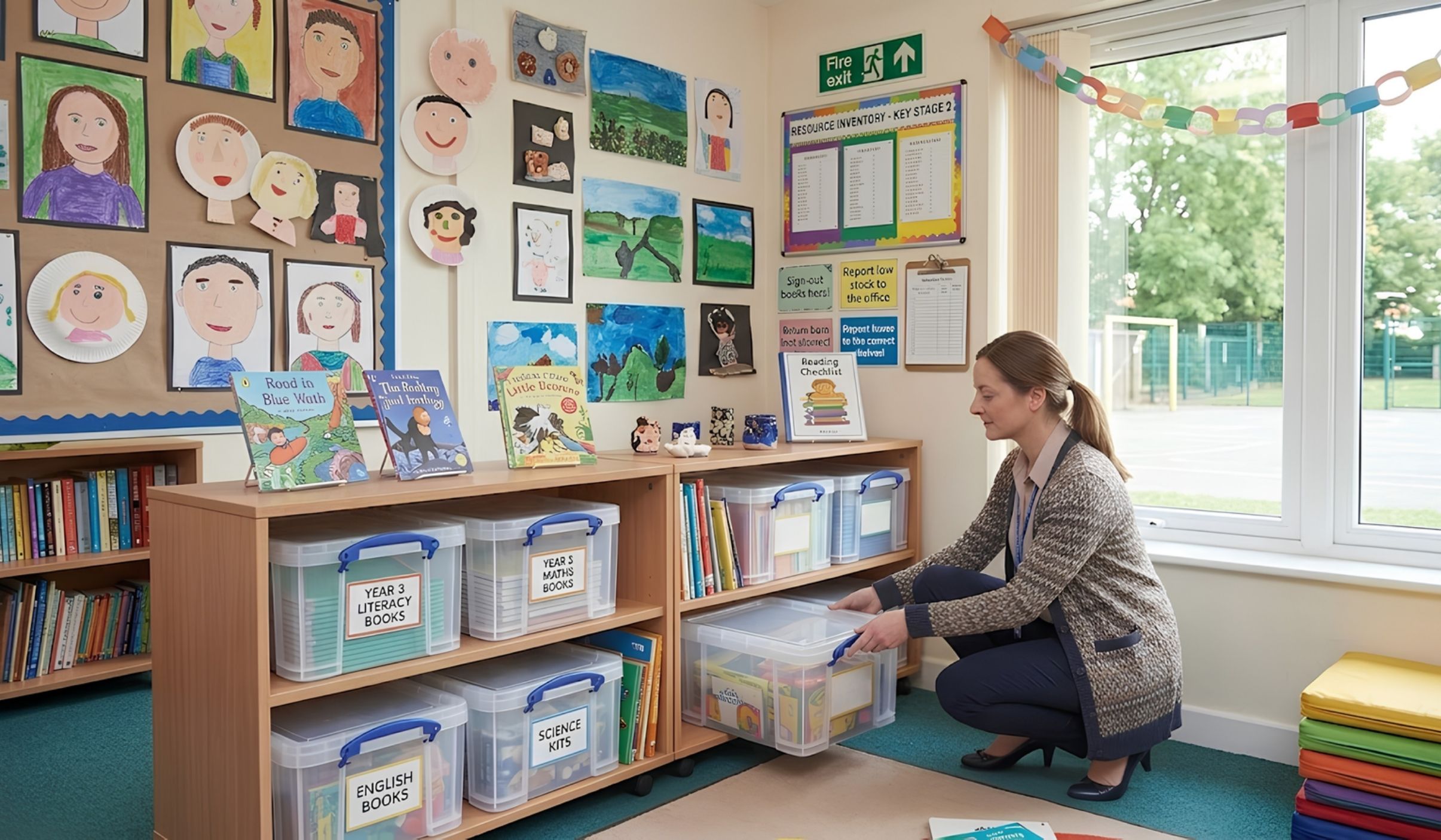
Storage for classrooms is particularly important. Open shelving, labelled containers and stackable storage boxes allow pupils to find and return resources independently, helping build responsibility and reducing lesson interruptions. A tidy classroom is not about perfection; it’s about creating systems that still work on a wet afternoon in November as well as they do on the first day back in September.
Storage that works for younger pupils
The most effective storage solutions consider the age and needs of the pupils using them. Hooks that are too high and drawers that are difficult to open are unlikely to be used consistently.
Low shelves, clearly labelled containers, simple baskets and easy-to-reach hooks encourage children to take responsibility for their own belongings. Organisation should support day-to-day life, not complicate it. A system that’s consistently used is far more effective than elaborate arrangements that no one can maintain.
Curriculum review and planning
Before pupils arrive, spend time reviewing curriculum plans and organising any updates. Early September is a time when worksheets need reorganising, or a topic requires additional materials.
Keeping documents in order can make a significant difference throughout the term. Separate storage for each subject or topic helps prevent paperwork from becoming overwhelming, particularly when juggling multiple year groups or programmes.
Many schools use purpose-made storage boxes for lesson planning, worksheets and assessment materials, helping teachers organise resources by week or topic.
Pupil behaviour and safeguarding policies
September is also a good time to revisit behaviour expectations and safeguarding procedures. Keeping confidential documents, behaviour records and administrative materials organised separately from teaching resources helps maintain efficiency, privacy and ensures important information can be accessed quickly when needed.
Importance of staff wellbeing
With so much focus on preparing for pupils, staff wellbeing can sometimes take a back seat before the new term begins. A new school year can feel intense, and simple organisational improvements can reduce unnecessary pressure.
Shared storage areas in staff rooms or departments are easier to manage when resources are clearly labelled and grouped logically. Whether it’s stationery, exercise books or shared resources, appropriate storage reduces time spent searching through cupboards.
Simple gestures such as a team breakfast, an informal planning session, or a chance to catch up with colleagues can also help ease everyone back into school life.
Why extracurricular clubs need good storage
Schools are increasingly providing breakfast and after-school clubs, sports activities and creative programmes that extend beyond the traditional classroom day. These activities require their own resources, from sports equipment and art materials to games, books and snacks.
Dedicated storage allows club resources to be accessed quickly without disrupting teaching spaces. Well-organised extracurricular storage also helps schools maximise shared spaces such as halls, libraries and classrooms that are used by multiple groups throughout the day.
Enhancing PE provision
Physical education is a vital part of a healthy and happy school experience. Balls, cones, bibs, rackets, skipping ropes and gym equipment all benefit from clearly labelled storage that allows staff and pupils to locate and return items easily. Efficient sports storage protects equipment and saves valuable lesson time, particularly when resources need to be distributed quickly.
Choosing the right storage for each application
School storage must be practical for both staff and pupils: the Really Useful range of plastic storage boxes is ideal for everyday classroom life. Featuring a transparent design that makes contents easy to identify and secure clip-lock lids to help protect resources from dust, spills and general wear; smaller sizes suit stationery and craft materials, while larger boxes are ideal for books and lesson planning resources. Many are suitable for organising worksheets using A4 suspension files.
With a stackable design, they are also particularly useful in classrooms where cupboard space is limited. Lightweight and easy to clean, they are practical across a wide range of educational settings, from nurseries and primary schools to secondary classrooms and shared resource rooms.
Settling into the new school year
Establishing clear classroom systems early helps pupils settle quickly and creates a positive learning environment, and more comfortable and relaxed working conditions for teaching staff from the start.