
Invented in 1907 with the creation of Bakelite, the first fully synthetic plastic; polymers rapidly transformed manufacturing, medicine, logistics and everyday life. However, today, plastic is often framed as a problem to be eliminated.
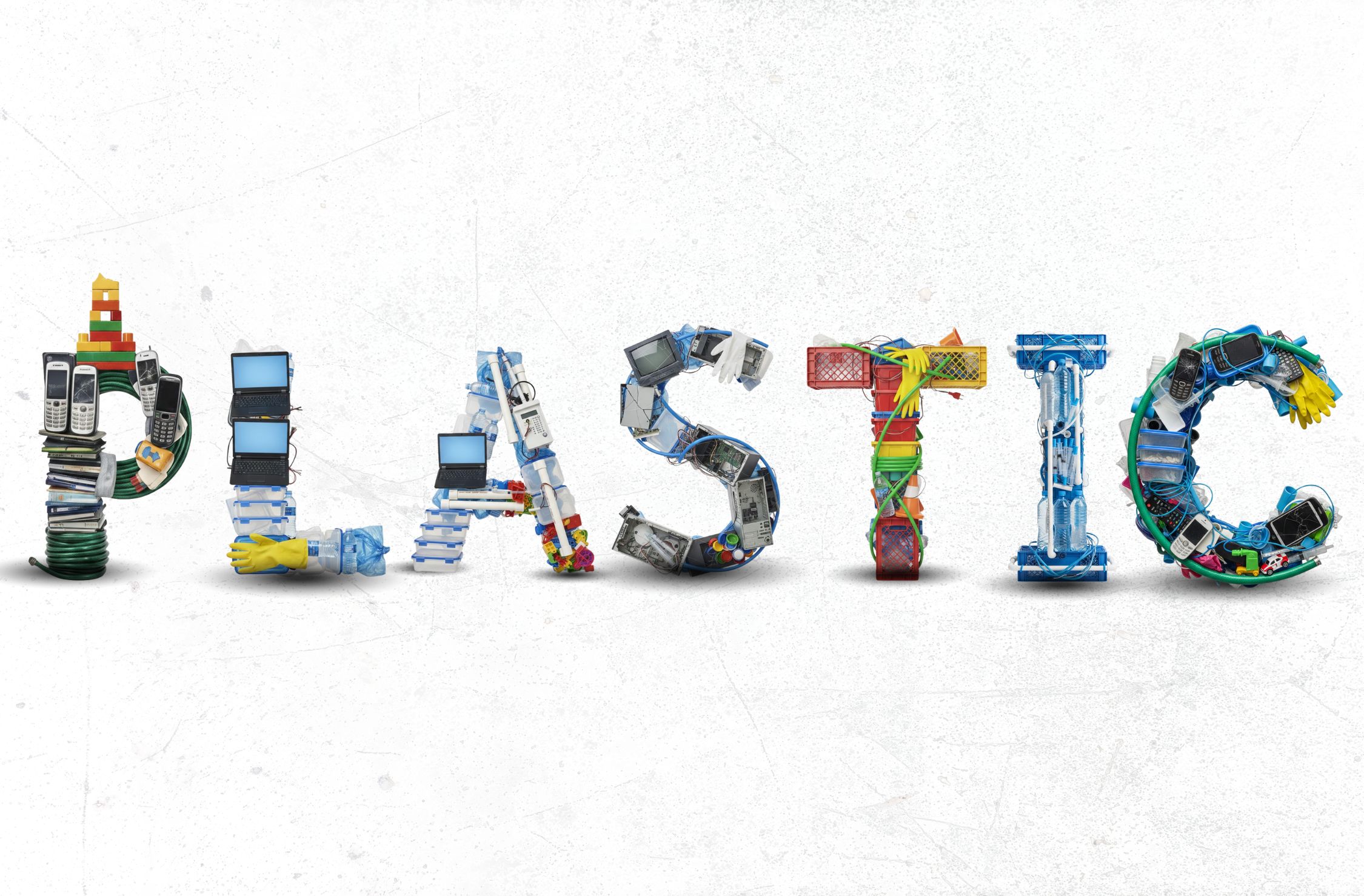
The reality is far more complex. To understand why plastic isn’t going anywhere, we need to look beyond headlines and examine the evidence, benefits and practical challenges of modern alternatives.
This isn’t an argument for ignoring environmental issues. Pollution is real, measurable and damaging, but it’s also true that plastic remains an essential material for modern society. The task ahead isn’t eradication, but must promote responsible use, smarter design and better systems for reuse and recycling.
The importance of plastics in modern life
Plastic offers a unique combination of properties: lightweight, durable, flexible, waterproof and resistant to corrosion, these qualities are difficult, and often impossible, to replicate with a single alternative material. As a result, plastics underpin industries ranging from food distribution and healthcare to aerospace and advanced manufacturing.
Global plastic production grew rapidly from around two million tonnes in 1950 to 380 million tonnes annually by 2015, according to data cited by the BBC and the Ellen MacArthur Foundation. Today, the United Nations Environment Programme estimates between 400 and 460 million tonnes are produced each year.
Plastics have allowed products to become cheaper, safer and more accessible. For businesses, particularly in warehousing, logistics and manufacturing, they have enabled greater efficiency, cost savings and a smaller carbon footprint in logistics terms. Lightweight stackable plastic containers reduce transport emissions compared to heavier materials such as glass or metal, while their durability supports repeated use in demanding environments.
Cost-effectiveness and material efficiency
Studies referenced by the British Plastics Federation show that replacing plastic packaging with alternatives would require significantly more material by weight, along with higher energy use and greater greenhouse gas emissions over the product lifecycle. In fact, alternative materials can generate up to 2.7 times more emissions when production, transport and disposal are taken into account.
For small and medium-sized businesses, cost-effectiveness matters. Plastic packaging, storage and handling solutions often offer the lowest total costs, because they’re long-lasting, easy to clean and resistant to damage. This is one reason why recycled plastic products, including industrial containers and crates, have become central to sustainable storage strategies across warehouses and factories.
Lightweight, durable and functional
Plastic’s strength-to-weight ratio is one of its defining advantages. A one-litre glass bottle can weigh up to 800 grams, while a plastic equivalent may weigh closer to 40 grams. That difference translates directly into lower fuel use during transportation. When scaled across national or global supply chains, the environmental impact of weight reduction becomes substantial.
Durability is equally important. In logistics and warehousing, plastic containers can withstand repeated handling, stacking and cleaning without degrading. This makes solutions such as recycled plastic Euro containers particularly valuable. When manufactured from recycled polypropylene, they combine durability with circular material use, supporting both operational efficiency and environmental goals. Increasingly used not only in industrial settings, but also as smart, sustainable storage options in offices and homes, this reflects how industrial design often influences wider consumer behaviour.
Hygiene, safety and public health
Few areas demonstrate the irreplaceable role of plastic as clearly as healthcare. Disposable plastic syringes, introduced in the 1950s, revolutionised medicine by reducing infection risk. Today, plastics are essential in gloves, tubing, blood bags, sample containers and personal protective equipment. According to experts cited by the BBC, removing plastic from hospitals would make it impossible to safely run services such as dialysis or surgery at their current scale.
Food safety is another critical area. Plastic packaging protects food from contamination and extends shelf life. Research by WRAP in the UK has shown plastic containers can extend the shelf life of broccoli by up to a week and bananas by two days. In retail environments, this reduction in spoilage directly lowers food waste.
Environmental challenges
Acknowledging the benefits of plastic doesn’t mean ignoring issues. Of the 8.3 billion tonnes of virgin plastic produced globally since its invention, research estimates 6.3 billion tonnes have, sadly, become waste. Much of it persists in landfills or the natural environment, where it breaks down into microplastics. These particles have been found everywhere from Antarctic sea ice to drinking water supplies.
Plastic pollution is largely a systems failure rather than a material failure. As the Ellen MacArthur Foundation has highlighted, only around 14% of plastic packaging is collected for recycling globally, and just 2% is recycled back into products of the same quality. Poor product design, mixed materials and inadequate waste infrastructure all contribute to this problem.
How to control plastic pollution
Evidence suggests the most effective solutions focus on redesign, reuse and recycling, rather than outright bans. Products designed for durability and repeated use can dramatically reduce environmental impact. Research from the University of Sheffield found a reusable plastic container only needed to be used two to three times to outperform a single-use equivalent in terms of climate impact.
Improving recycling systems is equally important. Using recycled plastics in new products reduces demand for virgin fossil fuels and lowers overall emissions. Industrial products made from recycled polypropylene demonstrate how recycled materials can meet high performance standards, while supporting a circular economy.
What are bioplastics?
Bioplastics are materials made wholly or partly from biological sources, such as corn starch or sugarcane. Some are biodegradable or compostable under specific conditions, while others are chemically identical to conventional plastics, but derived from plants rather than oil.
Bioplastics have potential, but they’re not a simple fix. Studies by researchers at the University of Exeter suggest that large-scale substitution could increase land use, water consumption and fertiliser runoff. Some estimates indicate replacing fossil-based plastics with bio-based alternatives could require up to 18% of the global annual water footprint. In addition, many bioplastics still require industrial composting facilities and can cause contamination if mixed with conventional recycling streams.
Industrial and high-tech applications
There are sectors where plastic is 100% essential. Aerospace relies on high-performance polymers to reduce aircraft weight and improve fuel efficiency. Renewable energy technologies, including wind turbines and electric vehicles, depend on plastic components for insulation and structural performance. In electronics, plastics protect sensitive components while enabling miniaturisation and energy efficiency.
In these contexts, eliminating plastic would increase emissions, reduce safety and raise costs. The evidence suggests that for many advanced applications, there is currently no viable substitute.
Responsible use and sustainable storage
Plastic is not going away, but our relationship with it must change. Responsible use means prioritising durability over disposability, choosing recycled plastic products where possible and designing systems that keep materials in use for as long as possible.
Sustainable storage is about using plastic intelligently. When products are designed for long service and made from recycled materials, they become part of the solution, rather than the problem.